
Journal.
Ideas behind meaningful spaces.
Mikk Studio Journal shares reflections from our design team on interior design, spatial experience and the evolving language of hospitality and retail environments. Here we explore ideas, project thinking and observations from the wider world of design.
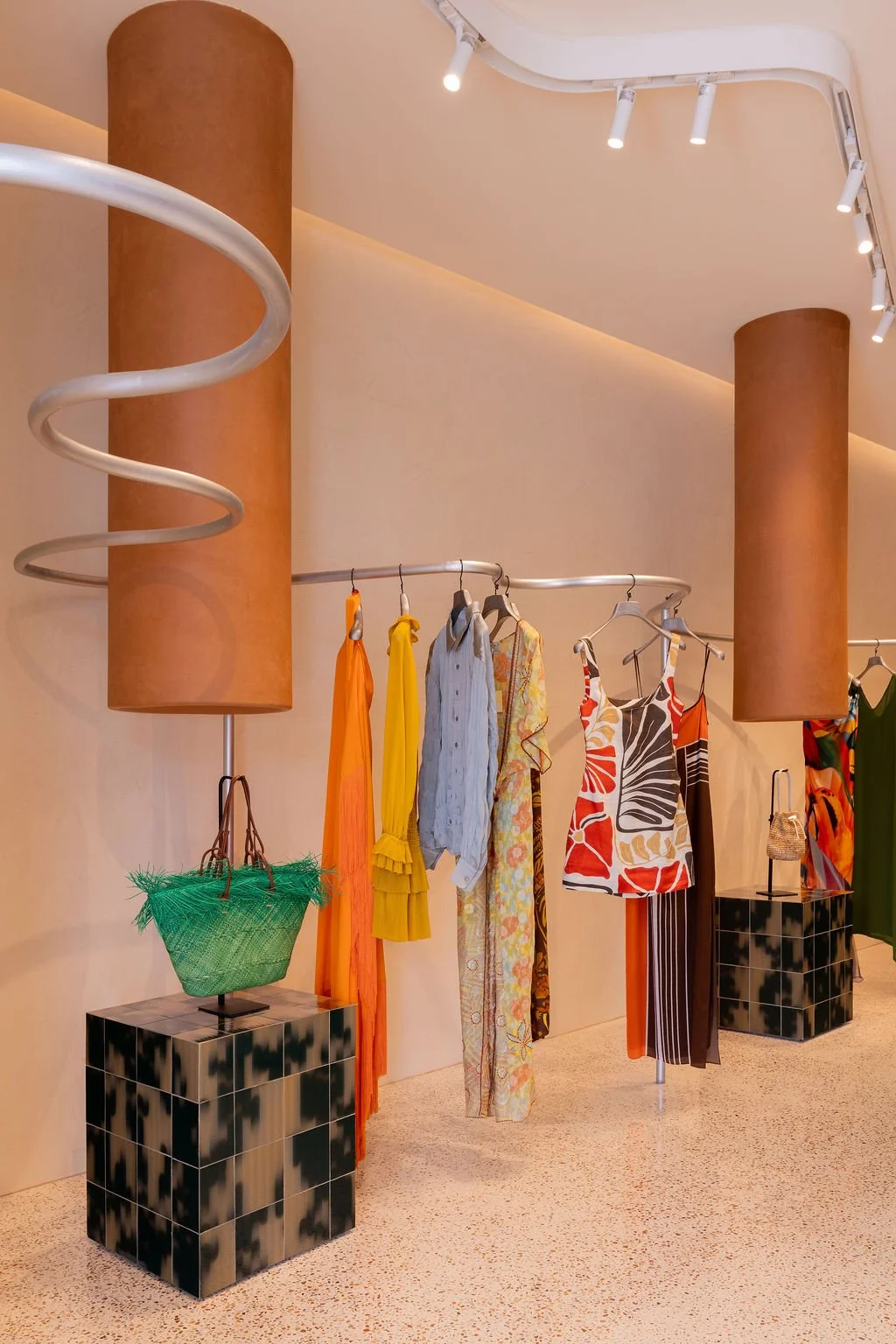
How Interior Design Shapes the Retail Journey
Most retail spaces are designed around products.
The best retail spaces are designed around people.
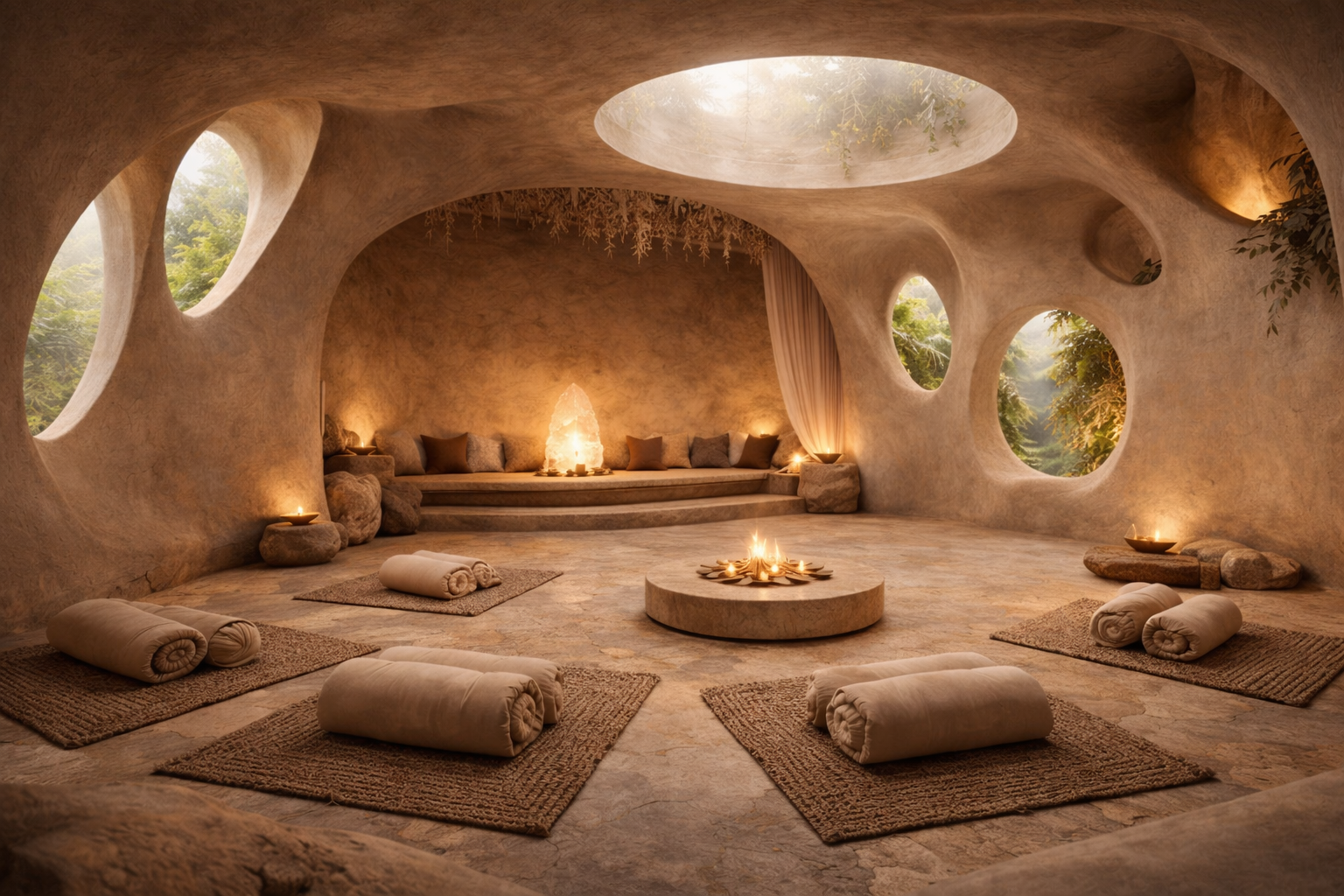
Why Guests Remember Some Hotels and Forget Others
Ask someone about their favourite hotel and they rarely start by describing the room.
They talk about a feeling…
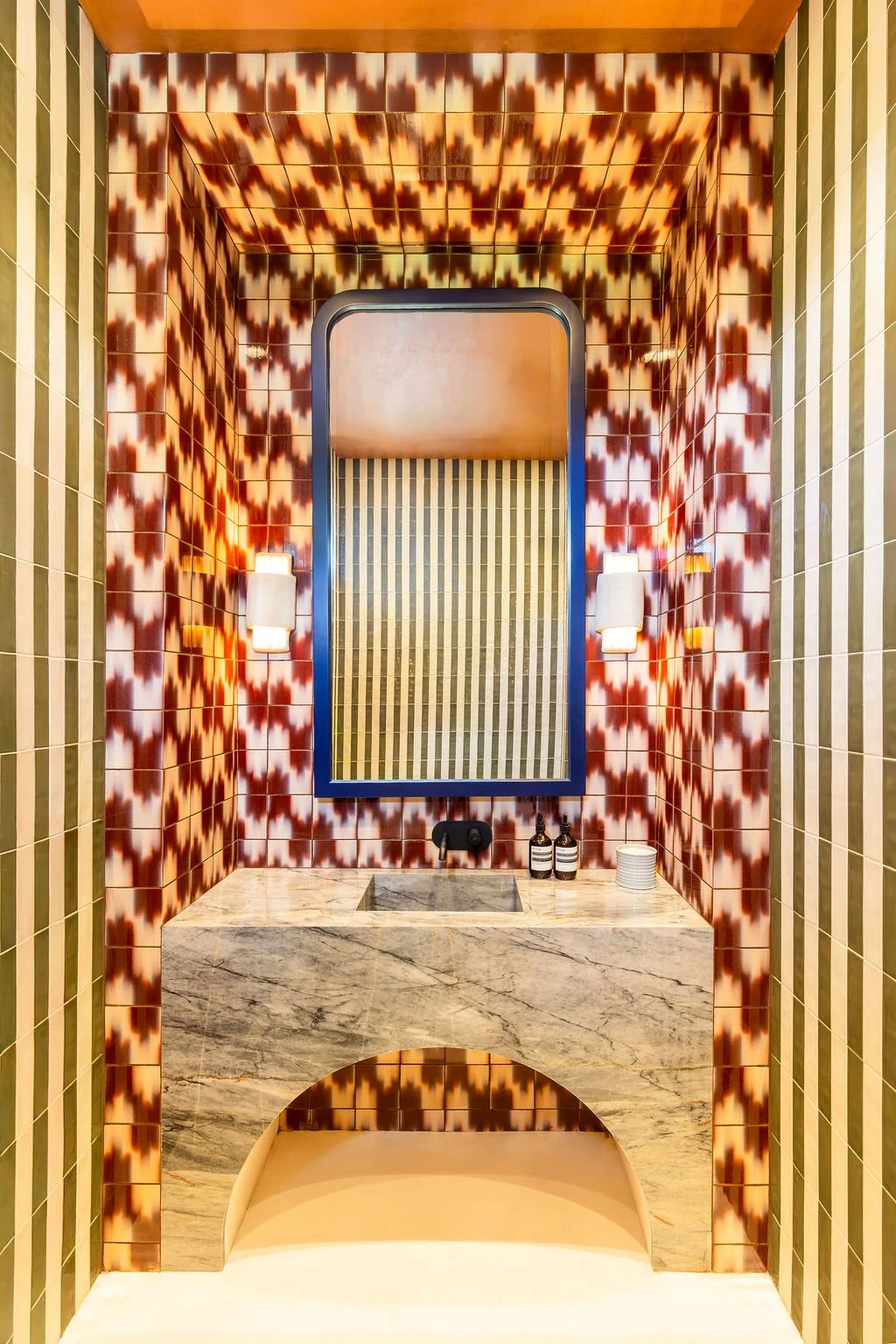
The Most Overlooked Room in Any Interior
The Most Overlooked Room in Any Interior
There is a moment in almost every commercial interior project when the bathroom gets deprioritised.
The main spaces have been resolved. The concept is clear. Materials selected, lighting considered, furniture specified. And then, somewhere toward the end, the bathroom receives whatever is left.
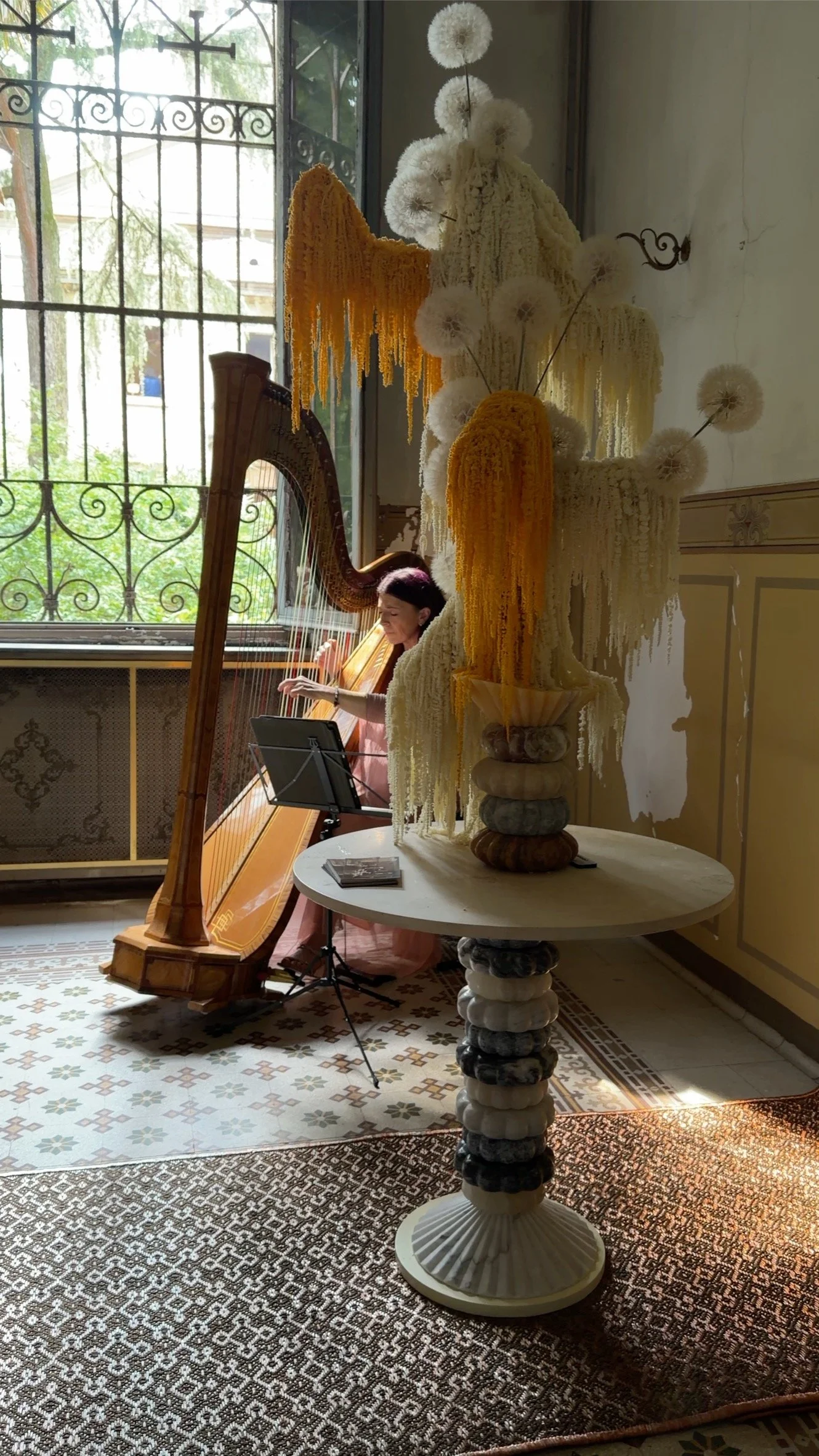
What Stood Out at Milan Design Week 2026 Was Not Just What I Saw
Milan Design Week is always intense.
There is so much to see that you quickly fall into a rhythm. Moving from one installation to the next, taking in as much as possible. Furniture, lighting, materials, concepts. Every space offers something new.
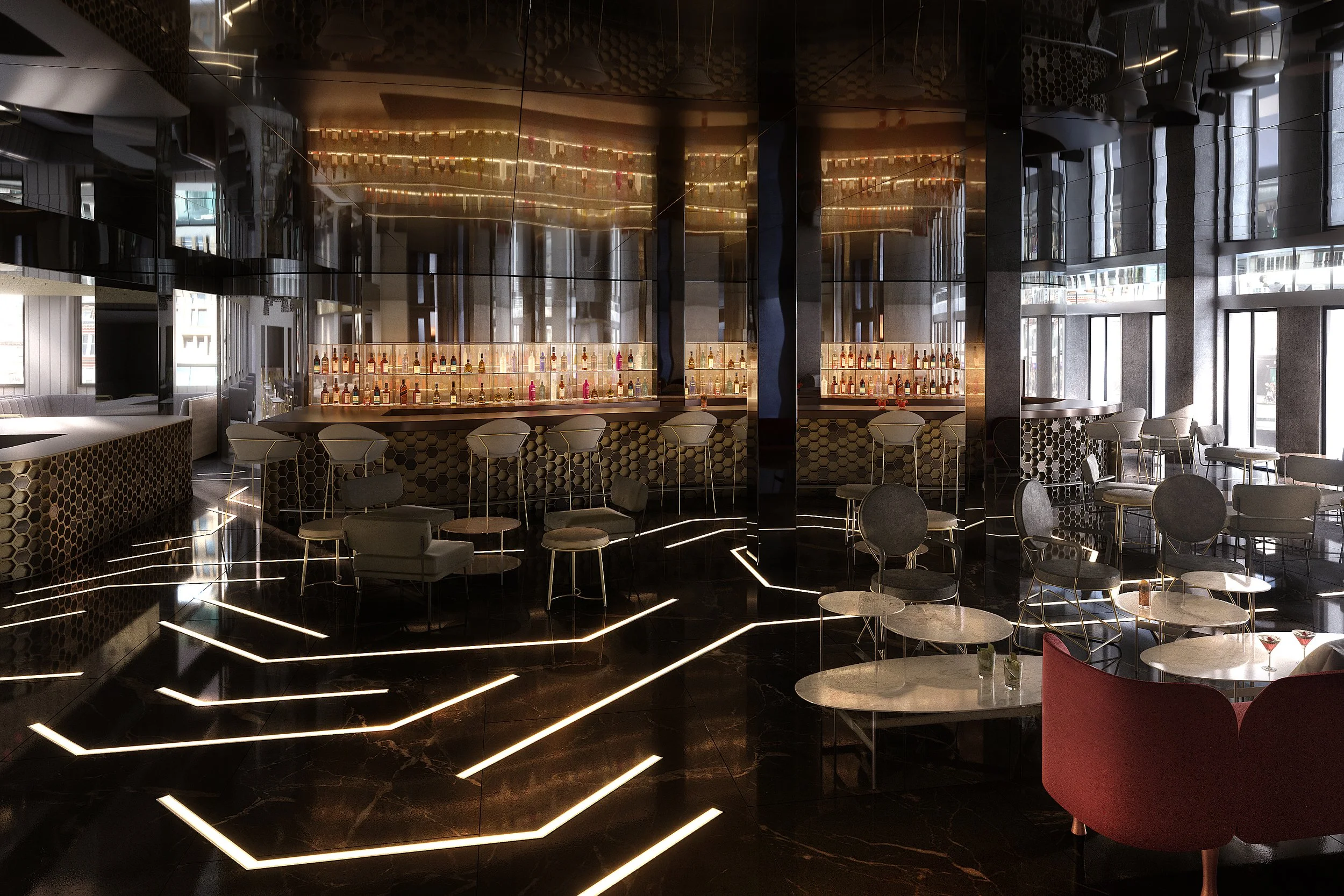
Designing Hospitality Spaces That Stay With You
Interior design has never been more visible. Today, inspiration is immediate. With a few clicks, thousands of interiors can be viewed, saved and organised into curated collections.
When Everything Looks Good, But Nothing Feels Right
Interior design has never been more visible. Today, inspiration is immediate. With a few clicks, thousands of interiors can be viewed, saved and organised into curated collections.
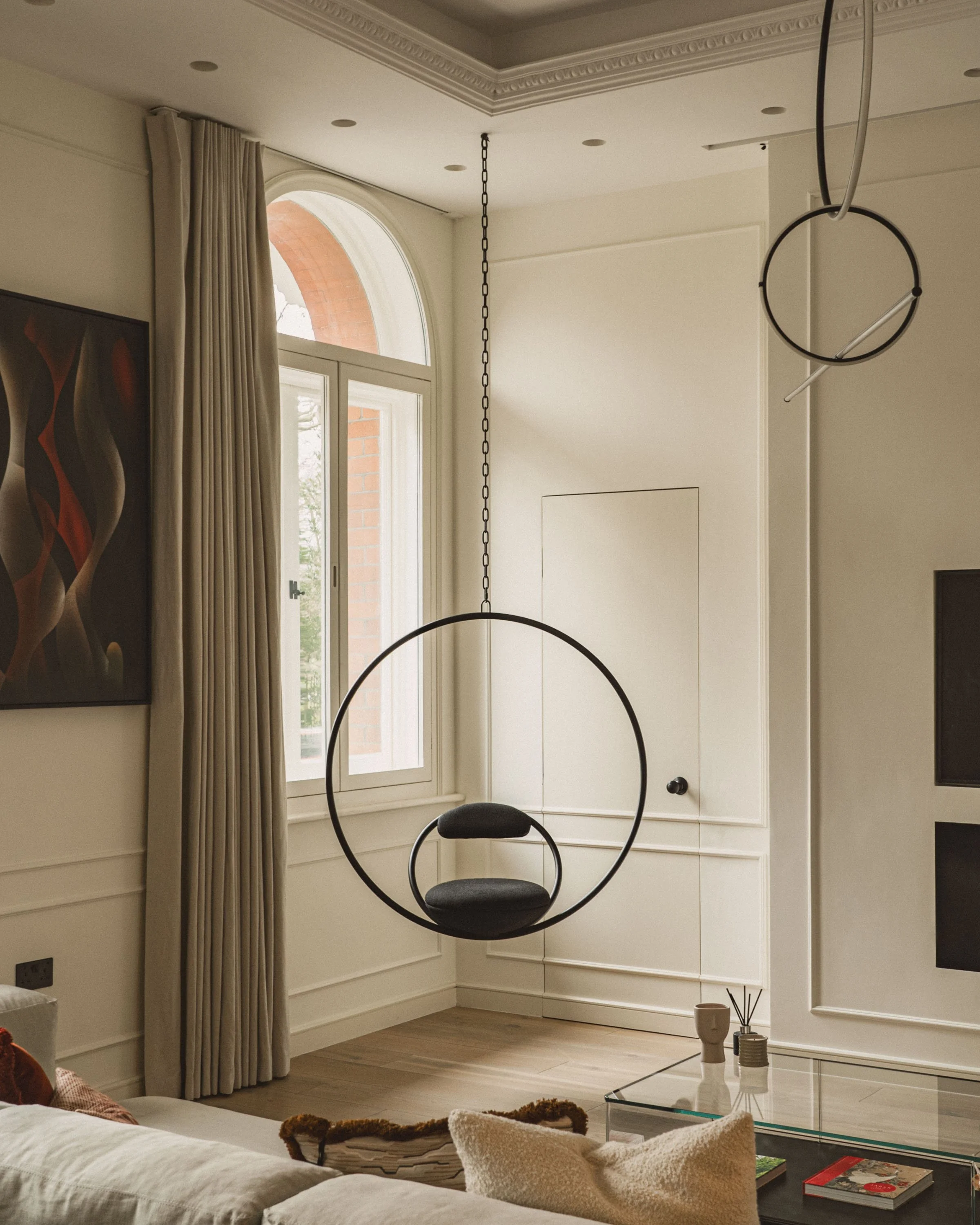
From Concept to Built Space: How Interior Design Projects Evolve
When people look at a finished interior, it often feels complete and resolved, as if it has always existed that way.
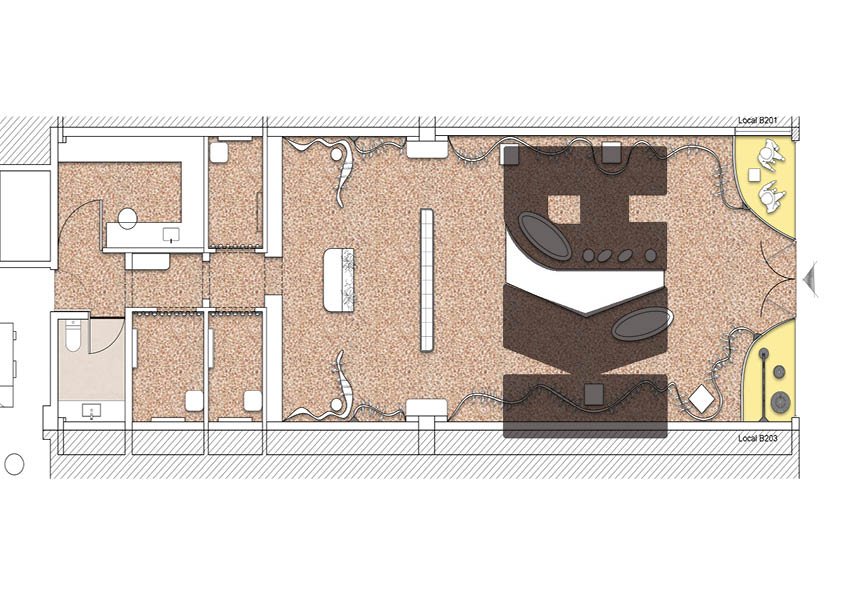
From Logo to Space: The Concept Behind the KABE Store
Retail design often begins with the identity of a brand. Logos, colours and graphics are typically translated into materials, signage or visual details within a space. But occasionally a brand mark offers something more: a spatial idea.
How Narrative Shapes Interior Design
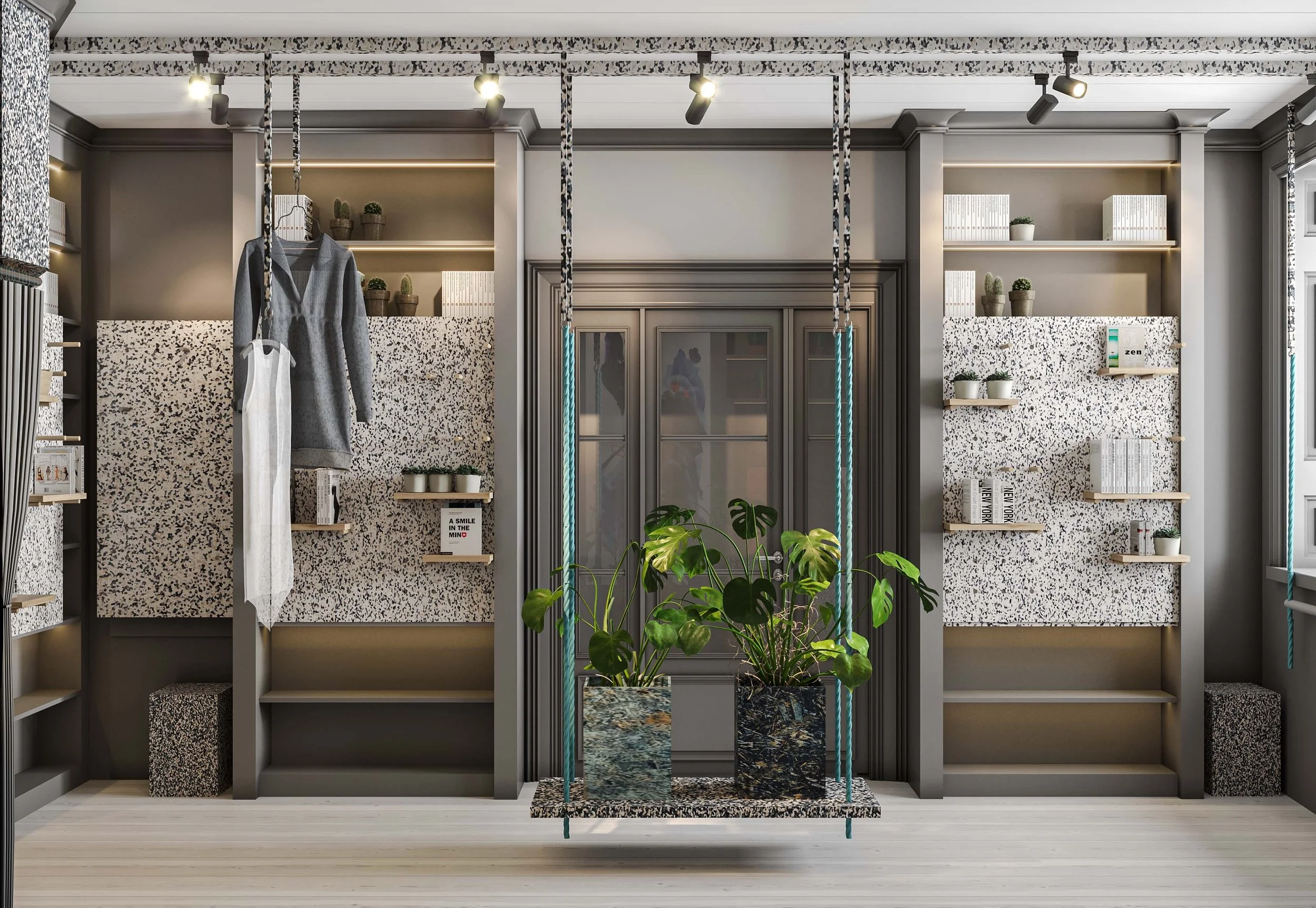
Interior design is often discussed in terms of materials, lighting or furniture, yet the most memorable spaces are rarely defined by these elements alone.
What gives a space its identity is the underlying narrative that connects them.
Why the Best Retail Spaces Feel Like Galleries
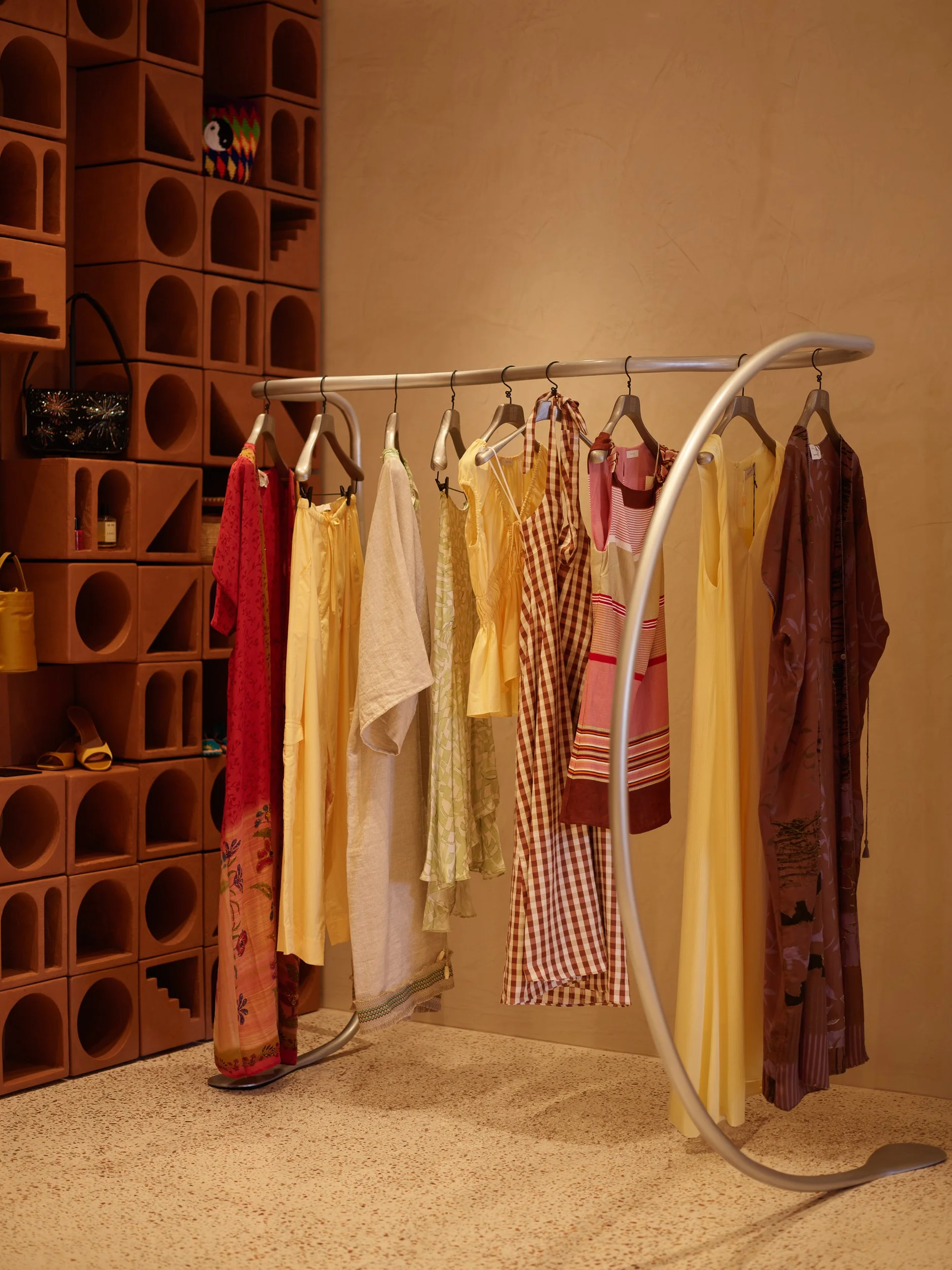
Retail design has evolved significantly over the past decade. As online shopping continues to grow, physical stores are no longer defined only by transactions. Instead, they have become places of discovery, experience and brand storytelling.
The Anatomy of a Boutique Hotel Interior
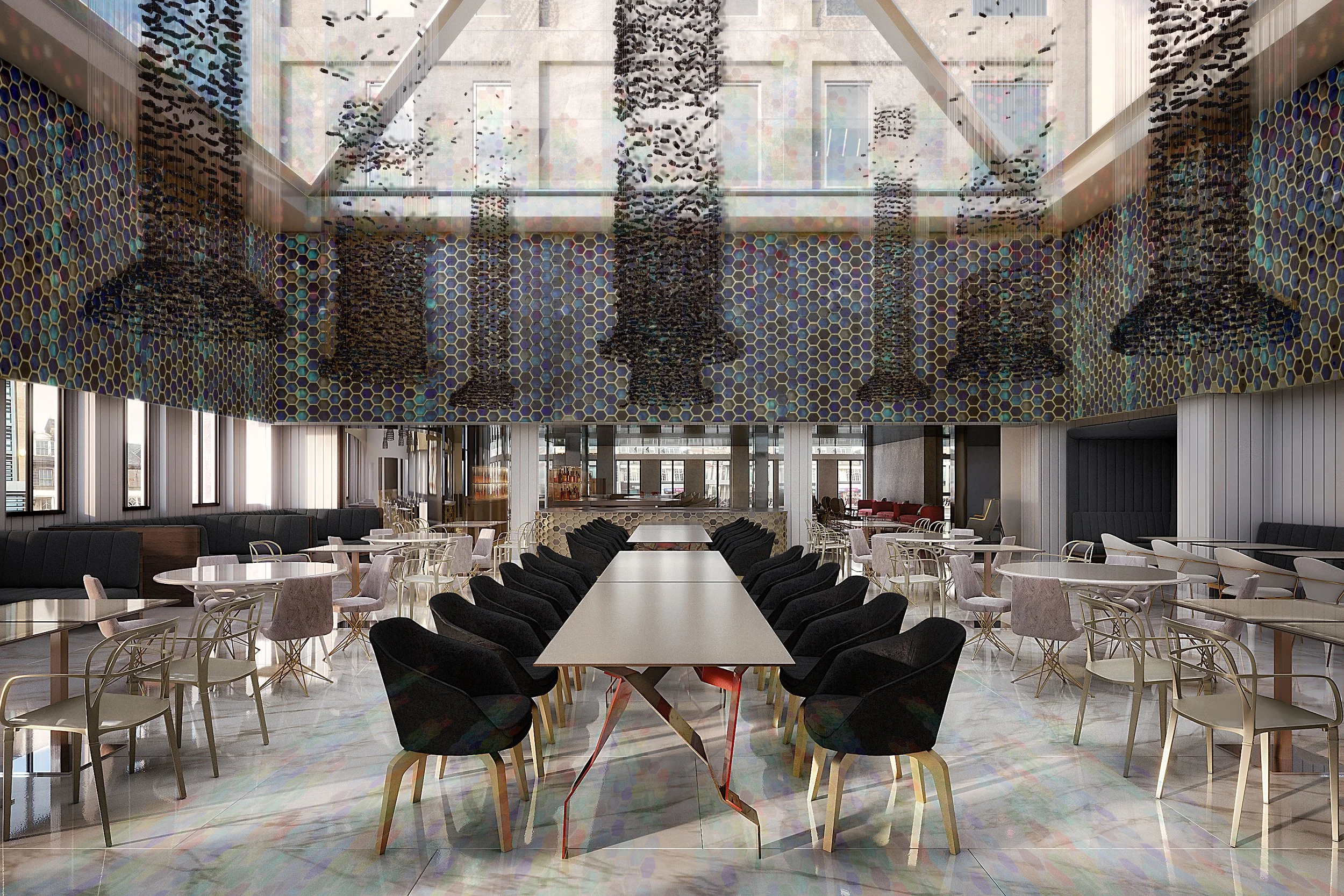
Boutique hotels have reshaped the expectations of hospitality design.
Rather than focusing on scale or uniformity, they prioritise atmosphere, identity and the quality of spatial experience.